
1. HISTORICAL TIMELINE
Ancient Origins
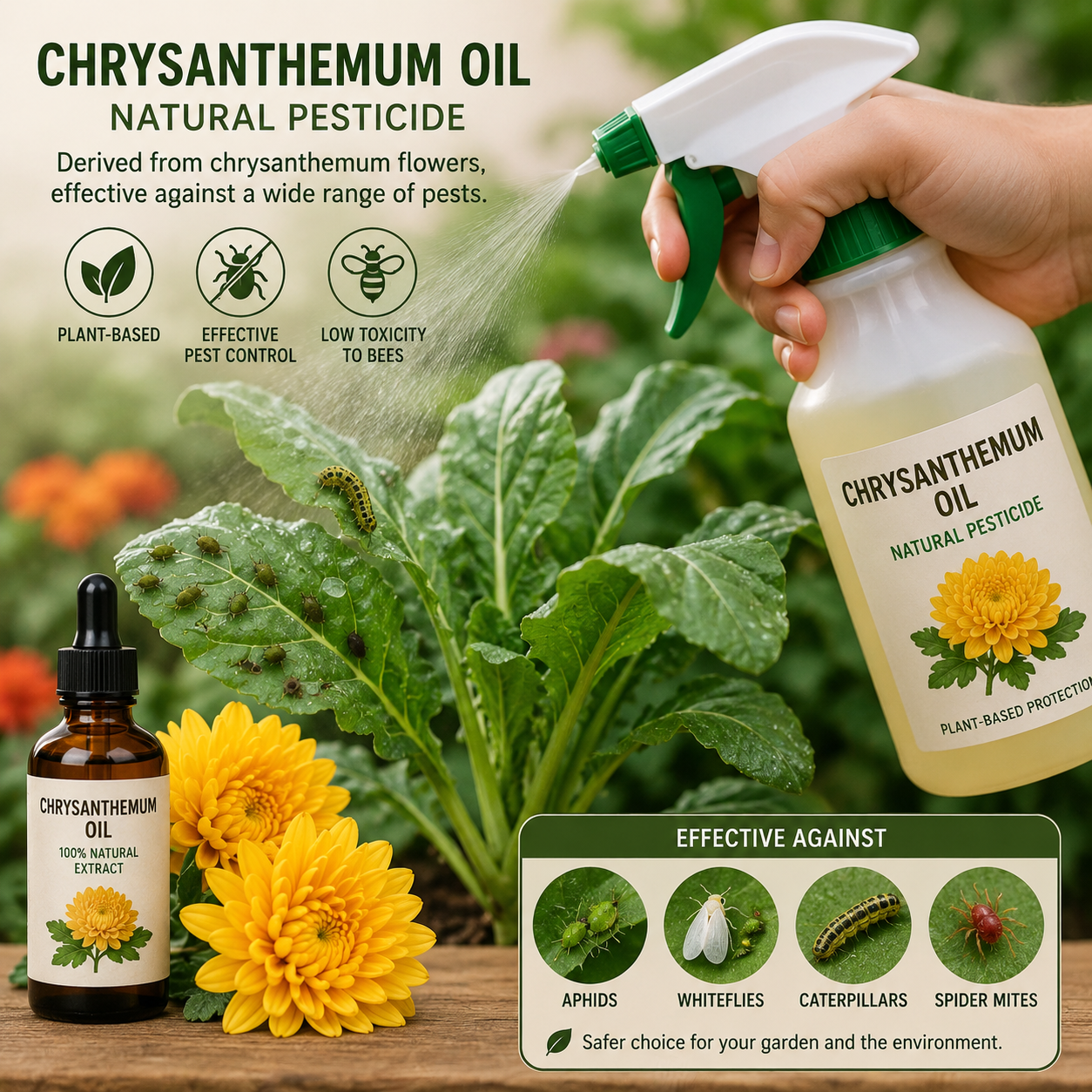
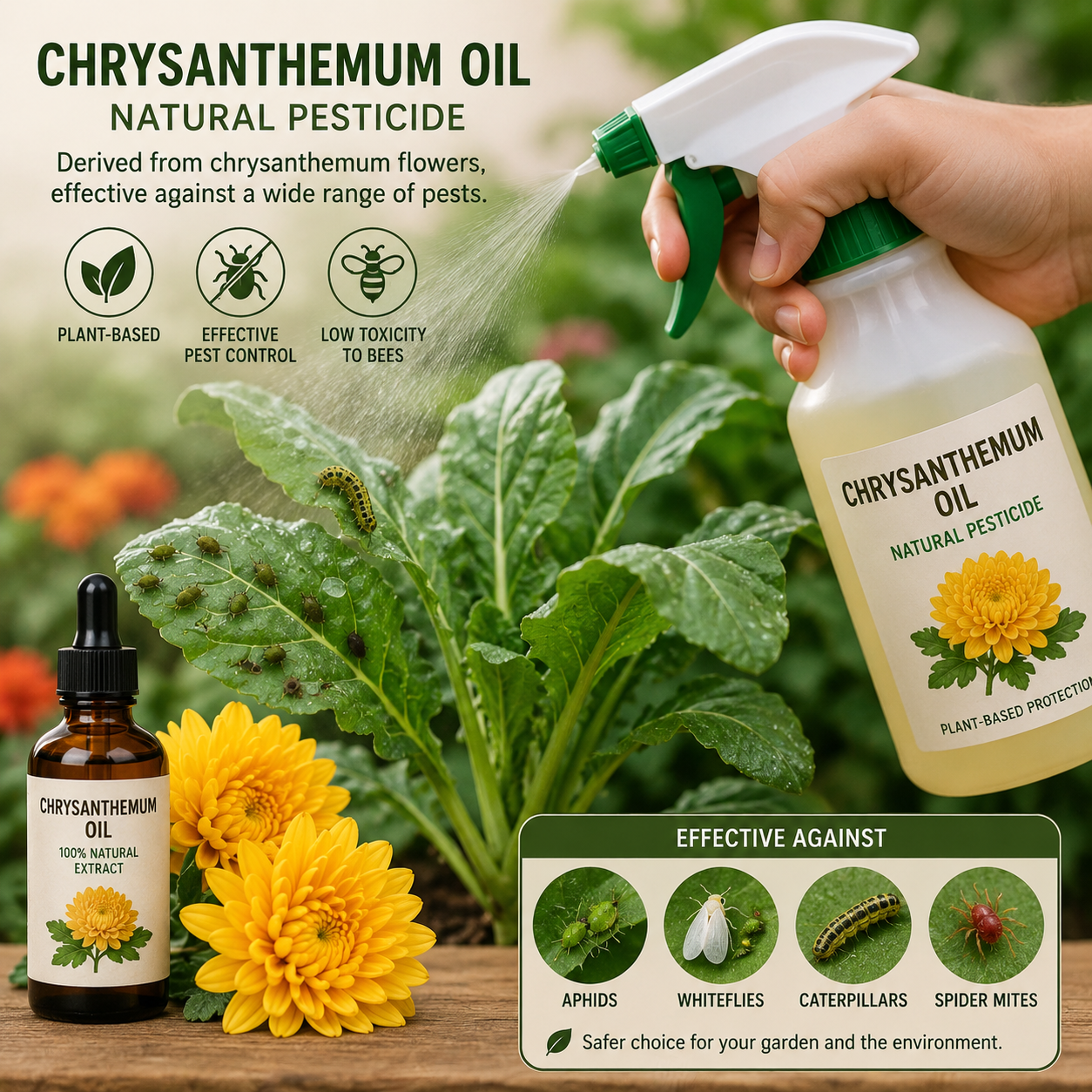
The pyrethrum plant was discovered in Persia around 400 B.C., producing pyrethrin—a natural toxin that can be extracted and used to create natural insecticides. The ancient Chinese used dried and powdered flowers as an insecticide, listing this material in a pharmacopoeia published around A.D. 100.
19th Century Commercialization
Pyrethrum's insecticidal properties were recognized in the middle of the 19th century, when an American named Jumticoff discovered that many Caucasus tribes used it for the control of body lice.
In 1880, Johann Zacherl's eldest son took over the flourishing firm, changed the supply from Caucasian to Dalmatian chrysanthemums, and in 1888 completed a new building for an insecticide powder factory in Vienna. Pyrethrum is not toxic for humans, but it paralyzes insects almost instantly, making it an ideal insecticide that became a great commercial success for household purposes, though its high cost and rapid outdoor degradation limited agricultural adoption.
Early 20th Century & Standardization
Europeans learned about the powders and seeds of the plant when the Persians imported them in the early 1800s, and the insecticide was exported from Europe to the United States in the early part of the 20th century.
As late as the 1930s, pyrethrum was still the gold standard for insecticides in the United States and around the world.
Chemical Understanding
The greenish-yellow preparation derived from these plants contains six active ingredients—pyrethrin I and II, cinerin I and II, and jasmolin I and II—collectively designated as "insect powder" or "pyrethrum".
Dried, pulverized flower heads of two chrysanthemum species contain insecticides with highly toxic effects on insects but are non-toxic to mammals. The chemical structures of pyrethrins were complex, requiring decades of intensive research before synthetic derivatives (pyrethroids) could be prepared that were more readily accessible and stable.
Synthetic Development (1960s–1970s)
After Rachel Carson's 1962 book Silent Spring brought attention to pesticide hazards, a global search began for alternatives to toxic pesticides, and botanical pesticides including pyrethrum were revisited alongside newer synthetic alternatives.
In 1967, Elliott at Rothamsted Experimental Station in the UK invented resmethrin and bioresmethrin—the first synthetic pyrethroids with greater insecticidal activity but lower mammalian toxicity than natural pyrethrins.
In 1974, deltamethrin was developed, a highly potent pyrethroid that achieved remarkably higher insecticidal activity than bioresmethrin.
2. NATURAL PYRETHRIN CHEMISTRY & COMPOSITION
Botanical Source
The Dalmatian chrysanthemum, or Tanacetum cinerariifolium, is an important source of natural botanical insecticide pyrethrum, containing six individual chemical compounds called pyrethrins with active insecticidal and acaracidal properties.
Chemical Structure
The six active insecticidal compounds are esters of two carboxylic acids (chrysanthemic acid and pyrethric acid) and three cyclopentenolones (pyrethrolone, cinerolone, and jasmolone).
Specifically:
- Group I esters (of chrysanthemic acid): Pyrethrin I, Cinerin I, Jasmolin I
- Group II esters (of pyrethric acid): Pyrethrin II, Cinerin II, Jasmolin II
3. PYRETHROID MARKET SHARE & GLOBAL DOMINANCE
Agricultural Insecticide Market Share
As of 2015, pyrethroids held approximately 17% market share among all insecticides used in agriculture.
Current literature estimates indicate that pyrethroids account for approximately 20% of global pesticide sales.
Market Valuation (2024–2033)
Global Pyrethroid Market Size:
- 2024: USD 3.9–9.66 billion (depending on source)
- 2033: USD 3.6–15.7 billion (projected)
- CAGR: 3.65%–5.5% (2024–2034)
Natural Pyrethrin Market (Subset):
- 2023: USD 0.67 billion
- 2033: USD 1.26 billion (projected)
- CAGR: 6.5% (higher growth than synthetic pyrethroids)
Pyrethroid Type Market Share (2025)
Lambda-Cyhalothrin is expected to account for 36.5% of the pyrethroid market share in 2025, due to its high insecticidal potency and ability to achieve effective pest management with smaller active ingredient quantities.
Other significant pyrethroid types include deltamethrin, cypermethrin, bifenthrin, and permethrin.
Application Breakdown
Agricultural applications dominate the pyrethroid sector, accounting for 41.2% of market share in 2025, with the remainder split between public health, veterinary, and household pest control.
Regional Distribution
- North America: 40.7% of global market (2025)
- Asia Pacific: Fastest-growing region; largest producer of raw materials
- Europe: Strong regulatory market driving eco-friendly formulations
4. EVOLUTION FROM NATURAL TO SYNTHETIC
Natural → First Generation Synthesis
The transition from natural pyrethrum extract to synthetic pyrethroids occurred due to:
- Cost: Natural pyrethrum was too expensive for wide-scale agricultural use
- Stability: Natural pyrethrins degrade in sunlight
- Potency: Synthetic derivatives could be engineered for higher activity
Pyrethroid Development Milestones
1967: First Synthetic Pyrethroids Resmethrin and bioresmethrin were the first synthetic pyrethroids, designed by simulating the stereochemical role of the natural cyclopentenone ring with a furan ring, but they were unstable in air and light, making them unsuitable for agricultural use.
1974: Alpha-Cyano Pyrethroids The discovery that incorporating an α-cyano-3-phenoxybenzyl alcohol moiety into pyrethroid structures significantly enhanced insecticidal potency led to compounds like deltamethrin, cypermethrin, fenvalerate, and cyhalothrin—now among the most widely used agricultural pyrethroids.
1977 Onwards: Vector Control Applications In 1977, Sumitomo Chemical pioneered the incorporation of permethrin into net fibers to protect people from mosquitoes, creating the Olyset Net, which has protected nearly 800 million people since its WHO recommendation in 2002.
5. MECHANISM OF ACTION
Pyrethrin paralyzes pests by attacking their central nervous systems; if you spray an insect with pyrethrum, for the first 30 seconds it becomes incredibly hyperactive, then it falls to the floor.
Pyrethrins and pyrethroids kill insects by interfering with insects' sodium channels, crucial for transmitting nerve impulses, inducing nerve hyperexcitation and muscle paralysis.
6. ENVIRONMENTAL & TOXICOLOGICAL PROFILE
Mammalian Safety
Pyrethrins are highly toxic to insects but non-toxic to mammals, giving them nearly perfect toxicity profiles.
Environmental Degradation
Pyrethrin I, cinerin I, and jasmolin I have estimated volatilization half-lives from soil of 1.8 to 2.7 days, while pyrethrin II, cinerin II, and jasmolin II range from 36.8 to 97 days.
Because pyrethrins degrade rapidly in sunlight, they usually disappear from the garden within 24 hours, allowing produce to be picked not long after spraying.
Regulatory Scrutiny
Regulatory risk includes EPA listings of 23 pyrethrins/pyrethroids under ecological risk mitigation reviews, prompting label and use restrictions.
7. MODERN APPLICATIONS & FUTURE TRENDS
Current Uses
- Agricultural: Cereals, grains, oilseeds, fruits, vegetables, cotton
- Public Health: Malaria control nets, mosquito-borne disease prevention
- Veterinary: Livestock and pet parasite control
- Household: Indoor sprays, aerosols, flea and louse powders
Emerging Trends
The global pyrethroids market shows a strong trend toward sustainable and environment-friendly pest control practices, with manufacturers developing bio-based formulations and integrating pyrethroids into broad pest management approaches as consumer and regulatory demand for safety and environmental impact increase.